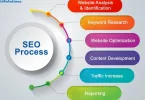

Search Engine Optimization (SEO) can seem overwhelming when you’re just starting out. Terms like keywords, backlinks, indexing, crawling, and search intent often confuse beginners. However, understanding a few core ranking principles can make a significant difference in how your website performs in search results.
These ranking insights for SEO beginners will help you understand what search engines look for when deciding which pages deserve top positions. Instead of chasing shortcuts or outdated SEO tricks, beginners should focus on proven strategies that align with how modern search engines evaluate websites.
This guide provides practical ranking insights for SEO beginners and explains the most important factors that influence rankings, traffic, and long-term online success.
What Are Search Engine Rankings?
Search engine rankings refer to the position of a webpage in search results for a specific keyword or search query.

Example
If someone searches for:
“Best SEO tips for beginners”
And your article appears:
- Position 1 = First result
- Position 5 = Fifth result
- Position 10 = Last result on page one
Higher rankings generally result in more clicks and traffic.
Why Rankings Matter
Many users never go beyond the first page of search results.
Benefits of Higher Rankings
- More website visitors
- Better brand awareness
- Increased trust
- Higher conversions
- Greater business opportunities
Understanding these ranking insights for SEO beginners helps build a strong SEO foundation.
How Search Engines Work
Before improving rankings, beginners should understand the basic process search engines follow.
Crawling
Search engines use bots to discover webpages.
Indexing
Discovered pages are stored in a database called an index.
Ranking
Algorithms determine which pages best match a search query.
Only indexed pages can appear in search results.
Content Is the Foundation of SEO
One of the most important ranking insights for SEO beginners is that content remains the foundation of search engine optimization.
Characteristics of Quality Content
Helpful
Solve problems and answer questions.
Original
Provide unique perspectives and information.
Detailed
Cover topics thoroughly.
Accurate
Ensure information is reliable and current.
Search engines reward content that provides genuine value to users.
Search Intent Matters More Than Keywords Alone
Many beginners focus only on keywords and ignore user intent.
What Is Search Intent?
Search intent is the reason behind a user’s search.
Types of Search Intent
Informational Intent
Users want information.
Examples:
- What is SEO?
- How to rank on Google
Navigational Intent
Users want a specific website.
Examples:
- Facebook login
- Gmail sign in
Transactional Intent
Users want to buy or take action.
Examples:
- Buy laptop online
- Best hosting plans
Content that matches search intent often ranks higher.
You may also like to read these posts:
Search Marketing Tips for More Traffic and Growth
Search Marketing Strategy Guide for Business Growth
Paid Search Marketing Ideas for Better ROI Growth
Search Engine Marketing Examples for Better Results
Keyword Research Is Essential
Keywords help search engines understand page topics.

Why Keywords Matter
- Improve relevance
- Attract targeted traffic
- Help identify content opportunities
Focus on Long-Tail Keywords
Long-tail keywords are longer and more specific search phrases.
Examples:
- Ranking insights for SEO beginners
- Beginner SEO ranking guide
- How to improve website rankings
Long-tail keywords often have lower competition and higher conversion potential.
Optimize Title Tags Properly
Title tags are among the most important on-page SEO elements.
Effective Title Tag Tips
- Include the primary keyword
- Keep titles clear
- Focus on benefits
- Encourage clicks
Strong titles improve both rankings and click-through rates.
Create Better Headings
Headings help organize content.
Common Heading Structure
H1
Main page title.
H2
Major sections.
H3
Subtopics within sections.
Proper structure improves readability and SEO.
Internal Linking Improves Rankings
Internal links connect pages within your website.
Benefits of Internal Linking
- Better navigation
- Improved crawlability
- Stronger topic relevance
- Increased page views
Internal linking is one of the easiest ranking insights for SEO beginners to implement immediately.
Backlinks Still Matter
Backlinks remain one of the strongest ranking signals.
What Are Backlinks?
Backlinks are links from other websites pointing to your content.
Why Search Engines Value Backlinks
- Indicate trust
- Demonstrate authority
- Improve credibility
A few quality backlinks are often more valuable than hundreds of low-quality links.
Website Speed Affects Rankings
Users prefer websites that load quickly.
Benefits of Faster Websites
- Better user experience
- Lower bounce rates
- Improved engagement
- Stronger SEO performance
Speed Improvement Tips
- Compress images
- Use caching
- Reduce unnecessary scripts
- Choose quality hosting
Fast websites often perform better in search results.
Mobile Optimization Is Essential
Most online searches occur on mobile devices.
Mobile SEO Best Practices
- Responsive design
- Readable text
- Fast-loading pages
- Easy navigation
Google primarily evaluates the mobile version of websites, making mobile optimization critical.
User Experience Influences SEO
Search engines want users to have positive experiences.
User Experience Factors
Readability
Content should be easy to consume.
Navigation
Visitors should find information quickly.
Layout
Pages should be clean and organized.
Accessibility
Content should be accessible on all devices.
Improving user experience often supports better rankings.
Content Freshness Can Help
Search engines often prefer updated content.
Ways to Refresh Content
- Update statistics
- Add new examples
- Improve formatting
- Expand sections
Refreshing existing content can increase rankings without creating new articles.
Build Topical Authority
Topical authority refers to covering a subject comprehensively.
Example
If your website focuses on SEO, create articles about:
- Keyword research
- Link building
- Technical SEO
- Content optimization
- Ranking insights for SEO beginners
Comprehensive coverage helps establish expertise.
Understand E-E-A-T
Search engines evaluate content quality using E-E-A-T principles.
Experience
Demonstrate firsthand knowledge.
Expertise
Show understanding of the subject.
Authoritativeness
Build recognition within your niche.
Trustworthiness
Provide reliable information.
Strong E-E-A-T signals often support better rankings.
Avoid Common Beginner SEO Mistakes
Many beginners unknowingly limit their success.
Common SEO Mistakes
- Keyword stuffing
- Publishing thin content
- Ignoring mobile users
- Slow website speed
- Poor internal linking
- Neglecting search intent
Avoiding these mistakes can improve results significantly.
Track Your Progress
SEO success requires monitoring performance.
Important Metrics
- Keyword rankings
- Organic traffic
- Click-through rates
- Bounce rates
- Session duration
Tracking performance helps identify successful strategies.
A Simple SEO Plan for Beginners
Step 1
Research low-competition keywords.
Step 2
Create high-quality content.
Step 3
Optimize titles and headings.
Step 4
Add internal links.
Step 5
Improve page speed.
Step 6
Build quality backlinks.
Step 7
Monitor results and improve continuously.
Following these steps helps beginners build strong SEO foundations.
Long-Term SEO Success
SEO is not a one-time task.
Focus on Consistency
- Publish regularly
- Update content
- Improve user experience
- Expand topic coverage
Consistent effort often produces the best long-term results.
Future SEO Trends
SEO continues evolving.
Emerging Trends
Artificial Intelligence
Search engines increasingly use AI systems.
Voice Search
Voice-based searches continue growing.
User Experience Signals
User satisfaction remains important.
Topical Expertise
Comprehensive subject coverage is becoming more valuable.
Understanding these trends helps beginners stay competitive.
Frequently Asked Questions
What are the most important ranking insights for SEO beginners?
Content quality, search intent, keyword research, backlinks, and user experience are among the most important factors.
How long does SEO take to show results?
Most websites begin seeing noticeable improvements within three to six months of consistent optimization.
Are backlinks necessary for rankings?
Yes, quality backlinks remain one of the strongest signals of authority and trust.
Why is search intent important?
Search intent helps ensure content matches what users are actually looking for, improving engagement and rankings.
Can beginners learn SEO without technical experience?
Yes, beginners can achieve strong results by focusing on content quality, keyword research, and basic SEO best practices.
Conclusion
These ranking insights for SEO beginners provide a solid foundation for improving search visibility and growing organic traffic. Successful SEO is built on high-quality content, keyword research, search intent optimization, strong user experiences, and continuous improvement.
Rather than focusing on shortcuts, beginners should concentrate on creating valuable content and providing the best possible experience for users. By applying the strategies outlined in this guide, you can improve rankings, attract more visitors, and build a successful website over time.